Student-run group helps local residents who lack English fluency
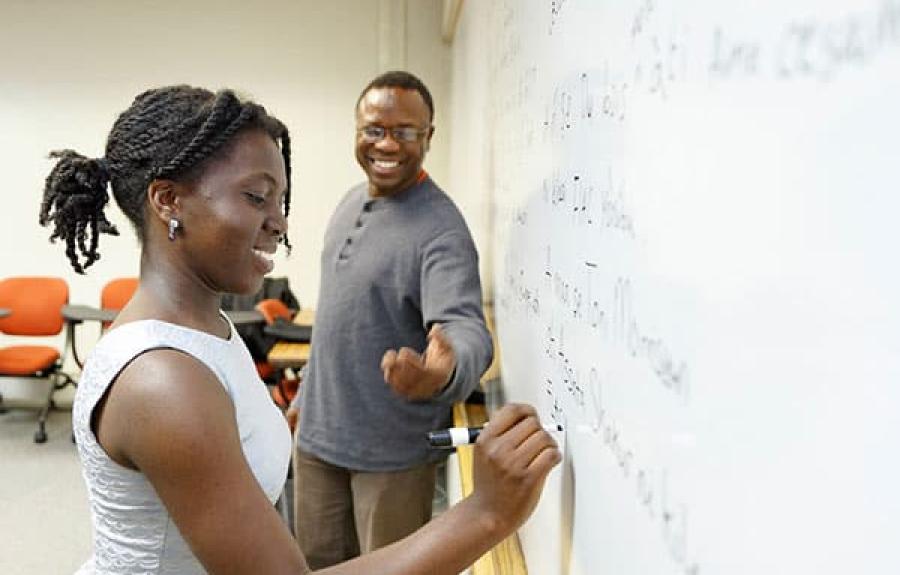
The LRC's Translator Interpreter Program trains and coordinates multilingual volunteers who provide free translation and interpretation services throughout the local community.
Department Homepage
The College of Arts & Sciences
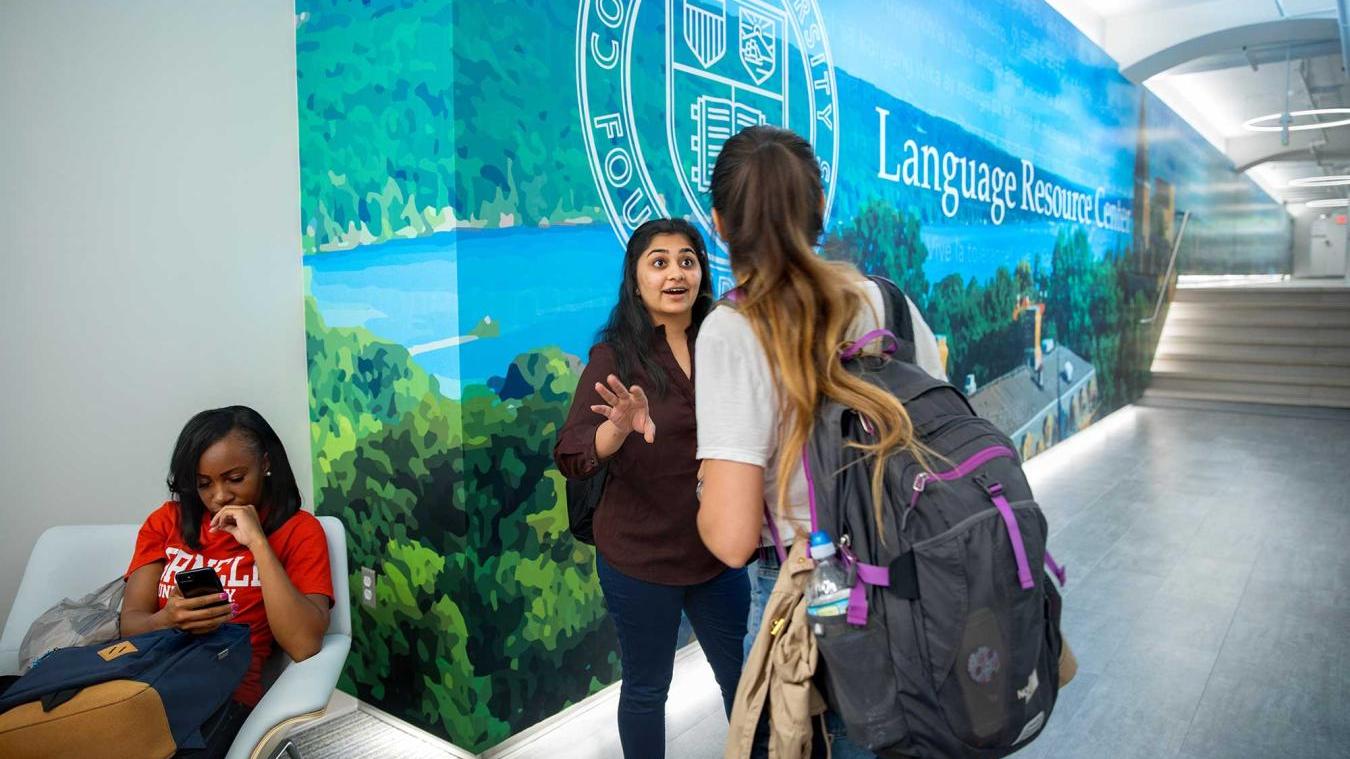
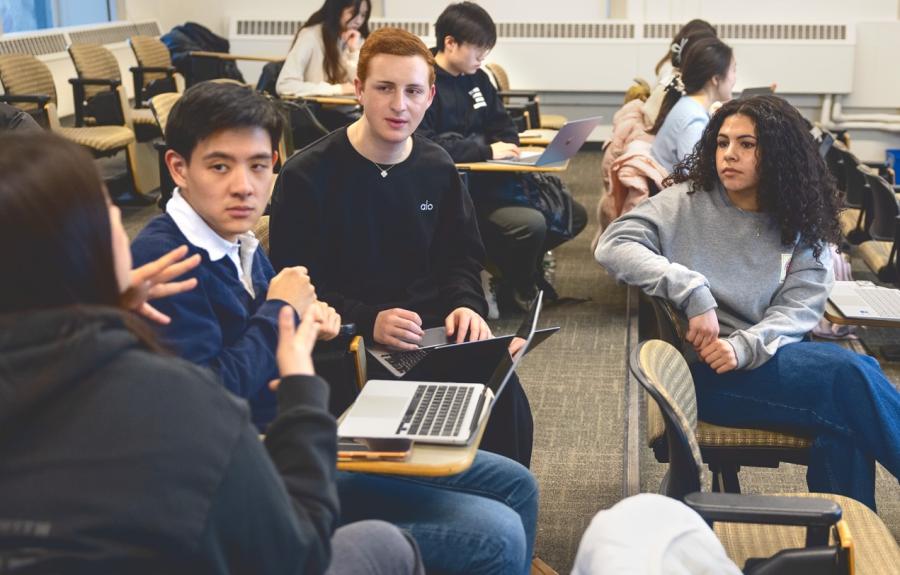
The Language Resource Center (LRC) is a hub for language innovation and collaboration at Cornell University, with a mission to connect, support, and empower language learners and teachers. The LRC provides flexible physical and virtual spaces, facilitates access to resources, and advocates best practices.
We are located on the ground floor of Stimson Hall.
Our mission is to connect, support, and empower language learners and teachers. The LRC provides flexible physical and virtual spaces, facilitates access to resources, and advocates best practices.
Our vision is to raise awareness of the value of language learning, leverage technology in service of cultural and social experiences, and grow the language community within and beyond Cornell.
The LRC's Translator Interpreter Program trains and coordinates multilingual volunteers who provide free translation and interpretation services throughout the local community.
Grit Matthias Phelps, German language instructor at Cornell University, introduces her students to the raw feeling of typing without online assistance. No screens, online dictionaries, spellcheckers, or delete keys.
Cornell University Arts & Sciences ambassador shares advice for freshmen adjusting to college life. The College of Arts & Sciences column emphasizes campus libraries, exploring majors, professor mentorship, community and balanced self-care.
Ukrainian Easter eggs, or pysanky, are on display in Goldwin Smith Hall in Cornell’s College of Arts and Sciences through the end of the spring 2026 semester. The exhibit, displaying work by staff member Lori Radcliff-Woods, is one of several new initiatives Cornell’s Ukrainian Program is undertaking to bring the culture, language and history of Ukraine to the Cornell community.
Cornell University will host “Indigenous Voices in Abiayala/Latin America,” on April 9 at 4:45 p.m., exploring Indigenous media self-representation in Latin America – known as Abiayala in the Guna language. Held in the in the A.D. White House and organized by Polly Lauer, a Klarman Postdoctoral Fellow in Romance studies in Cornell’s College of Arts and Sciences, the panel will feature scholars discussing Mapuche and Maya K’ishe’ cultural production, Indigenous languages and broadcasters’ fight to sustain native-language media such as Guatemala’s oldest Maya radio station.
Cornell University Humanities Scholars traveled to Washington, D.C. to advocate for increased National Endowment for the Humanities and National Archives funding, meeting with congressional offices to highlight the impact of humanities programs on education. Their two‑day trip underscored how federal support strengthens community partnerships, language programs, and public humanities initiatives benefiting campuses and local organizations nationwide.
Location: Uris Hall, Terrace
Cornell University is located on the traditional homelands of the Gayogo̱hó:nǫɁ (the Cayuga Nation). The Gayogo̱hó:nǫɁ are members of the Haudenosaunee Confederacy, an alliance of six sovereign Nations with a historic and contemporary presence on this land. The Confederacy precedes the establishment of Cornell University, New York state, and the United States of America. We acknowledge the painful history of Gayogo̱hó:nǫɁ dispossession, and honor the ongoing connection of Gayogo̱hó:nǫɁ people, past and present, to these lands and waters.
This land acknowledgment has been reviewed and approved by the traditional Gayogo̱hó:nǫɁ leadership.
Learn more about this land acknowledgment through the American Indian and Indigenous Studies Program.